
Introducing Occupational Wellness Practice
Blending the best of supervision, therapeutic support and coaching, OWP focuses on magnifying positive potential to bolster wellbeing and improve decision making
 In fast-paced, demanding careers where individuals are highly functioning, how does positivity play a role? Is it worthwhile to pursue a positive outlook if it doesn’t always mirror the actual experience of being a family law practitioner?
Resolution embraces the idea of well-intentioned individuals who foster a sense of unity and inclusion. In therapy, however, we see legal professionals who often report feeling isolated and overlooked. After extensive research and experience as a qualified practitioner in mental health it became clear to me that meeting the needs of those in family law required a variety of approaches. That’s where Occupational Wellness Practice (OWP) comes in.
Members of Resolution acknowledge that changes towards mental health are vital in demonstrating care in the community. Together, when we unite our efforts to embrace change, we can move forward with innovative ways of working and create welcoming work environments where everyone feels supported and valued.
Evidence indicates that working environments are evolving; traditional, imposing steel and glass offices once designed to impress clients seeking aggressive legal representation are becoming less common as the field shifts toward a collaborative approach in divorce cases, thanks in part to the hard work of members of Resolution.
Innovation for positive change
Wellness champions explore your values, your victories, so you move forward into change from a position of strength. Reminding individuals of their worth is essential for growth based on achievement and ability. OWP avoids arbitrary methods, instead relying on sound theories, established models of change and growth – and, most importantly, safe, ethical practice. Your practitioner possesses extensive training that has been reviewed by a well-known governing body and other interested agents.
Furthermore, OWP views you as human first: your profession is only one aspect of who you are. There is no need to have shared the same experiences – indeed those who have are arguably in danger of contaminating the sessions with their own scars, albeit in a subconscious way. To gain a broader perspective of your experiences, it is important to objectively assess and distance yourself from pre-conceived images and beliefs, regardless of how strongly they are held.
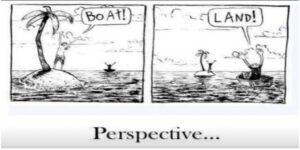 I call this island hopping, where we review experiences using creative imagery. The findings consistently provide meaningful guidance, helping to gently shift beliefs and ease feelings of anxiety.
What makes us stand out in the field of mental health support and wellness for legal professionals?
Using theoretical principles, models and processes from three different approaches, we can meet the needs of our clients with greater effect than any other wellbeing initiative in the field.
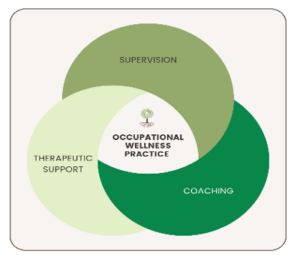 In OWP we care about your wellness and your ambition to be the best version of yourself. This is why we do not restrict practice to working with one profession, and we do not refer to ourselves as supervisors, coaches or therapists, because we know what we are and the service we are offering you.
Occupational Wellness Practitioners can bring about lasting change to whole firms as well as individuals, focusing on magnifying positive potential that will in turn bolster wellbeing and improve decision-making.
What to expect from OWP
Occupational Wellness Practitioners, in common with members of Resolution, adhere to a code of practice. They have been trained by insured, experienced tutors who have a history of working with a wide variety of professionals, the majority being legal practitioners.
Transformations within an entire firm will create ripple effects throughout the broader profession. Resolution committee members focus on advancing initiatives that benefit the entire profession. Who better to foster this then but an Occupational Wellness Practitioners who heightens energy and a vision for change? Regular sessions are not about avoiding sick pay – rather, it is about increasing income.
Outcomes from OWP
OWP does not require you to adopt a Pollyanna view of the world. We understand there are life events where positivity cannot be mustered. One of the strands of our training is therapeutic, so when mental health declines we are equipped to help with stress and anxiety and know when and how to seek practitioners who specialise in critical mental health issues. Your safety is a priority and your wellbeing is at the core of OWP. Another strand considers the use of reflective practice, largely in respect of factors that worked well for you and building on fruitful future outcomes.
Teamwork
Your OW Practitioner offers solutions to combat negativity, replacing it with “six freedoms”, a technique that unleashes a surge of power and energy. Firms can expect to see an influx of productivity and creativity, which takes your organisation to top-level performance.
Wellness thrives in teamwork. As social beings our minds and bodies are regulated by positive energy that is created by like-minded others. Our nervous system is both electrified and calmed by those around us. We feed off creativity and compassionate language. We thrive in environments that make us feel appreciated, reminding us of our worth.
Teams that work with OWP find that meetings can shift from routine to lively. To ensure your team leaves meetings feeling positive, its important to strike a balance between serious matters and lighter moments. Your OWP can assist in broadening this approach.
Individuals
In family practice there are numerous triggers and situations where listening to distressed clients can lead to secondary mental health challenges for practitioners.
Central to OWP is relationship building. We foster warm, safe relationships where you can bring any aspects of your life. We cannot separate personal life from work life: to assume one is separate from the other is misguided. “I leave my personal life at the door”, I hear you say. But we know that feelings are carried in the body and stored in our subconscious, so how do you leave those aspects of personal life “at the door”? We recognise behaviours that demonstrate issues that reside outside the workplace; we understand how to recognise miscommunication that stems from transference or projection. OWP assists with relationship issues with colleagues and clients, and the learning you gain from this can be transferred to your personal life as well. Each person has tailor-made sessions to meet all your wellness needs thanks to a multi-discipline approach.
We must prepare to make change; we cannot keep reflecting on what has been or past errors to make change. Positive change happens through a process of stages that OWP can take you through to ensure change is manageable and sustainable.
Lesley is leading a workshop on Positivity in Family Law at the National Conference in Brighton (Thursday 21 and Friday 22 May 2026). Please come along and join in this interactive event.