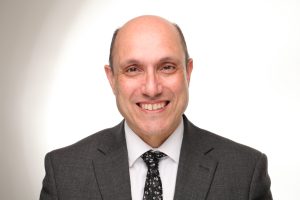
Meet the committee member: Graeme Fraser
How long have you been involved with Resolution and what committees do you sit on?
I became a member of Resolution in 1998. I became actively involved in the latter half of the noughties when I passed the Resolution specialist accreditation, and shortly afterwards, I became a member of the Cohabitation Committee, which I now chair. I am a National Committee member and am a member of its Family Law Reform Group. I am also National Committee representative for the Training and Learning Committee and the London Regional Committee.
Why did you want to get involved with Resolution?
At the start of my career, I found the Code of Practice enriched my work because at that time divorce was very much more confrontational. Over time, I realised that Resolution could be a force for positive change in improving family law practice and policy. Throughout my career, I have felt very strongly that cohabitants were not being treated fairly under the law, and I was keen to push for a change.
What’s the one Resolution resource/service/achievement that you want everyone to know about?
 The staff are very often unsung heroes, past and present. Rachel Rogers and Matt Bryant have done a fantastic job to help get no fault divorce over the line, and hopefully this can be repeated with cohabitation law reform. They are very dedicated and patient and have good experience of what works well in a reform campaign. They are great people to have on your side.
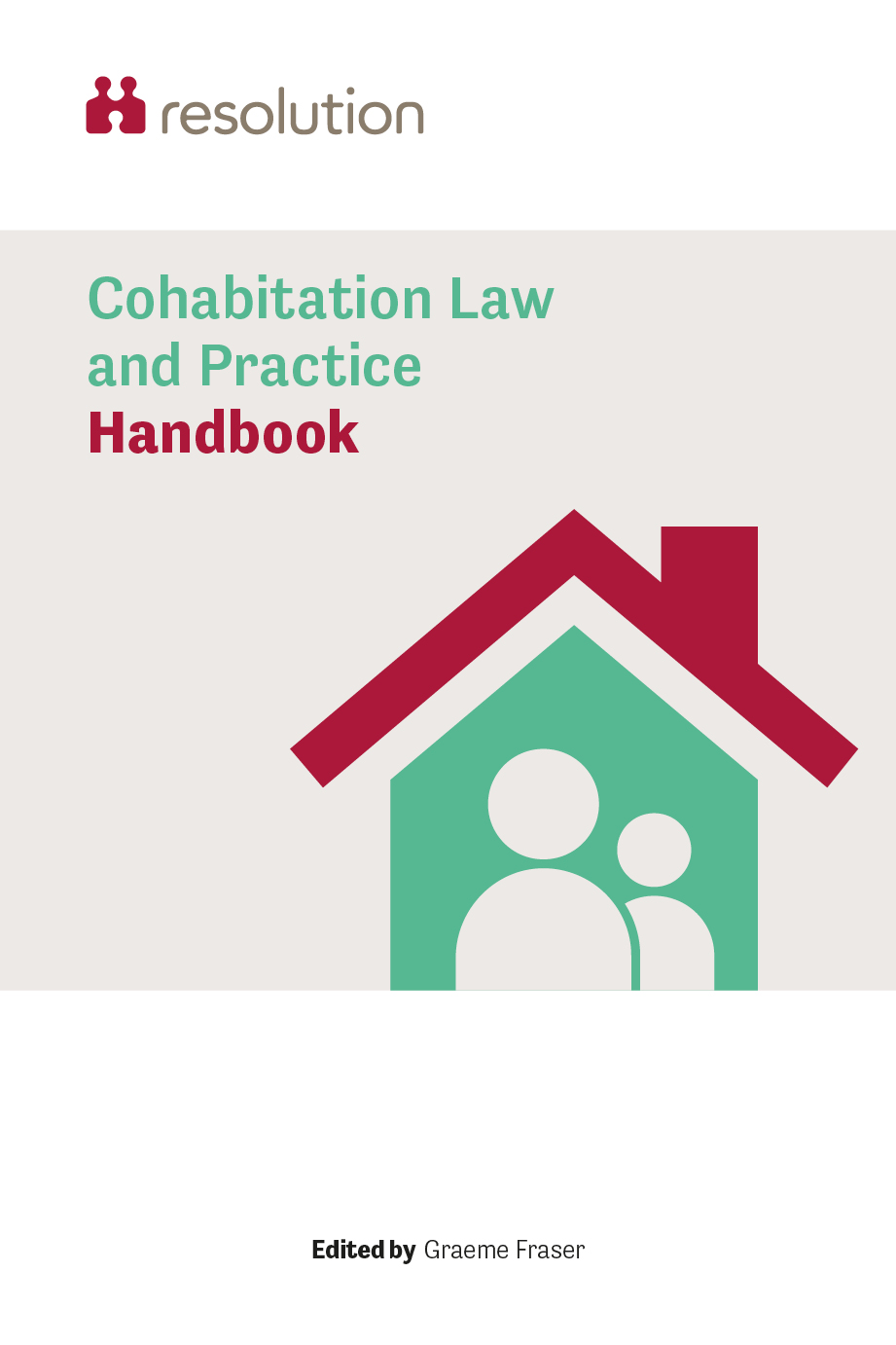
And please don’t forget also to pick up a copy of the fantastic revised and expanded Cohabitation Law and Practice Handbook, available now!
Is there a Resolution resource not currently available that you would love to see?
It might be helpful for YRes volunteer members to be assigned mentors, as I feel that YRes members are our future, and they can pick up a lot of tips from the more experienced members. This might also encourage them to stand for more senior roles earlier on in their career, which would help energise and rejuvenate Resolution as a whole.
What would you say to encourage more members to become volunteers with Resolution?
Volunteering with Resolution is an investment in yourself and others. It really is an organisation where the more you put in, the more you get out. Looking back over my career, I can say that I have been genuinely and pleasantly surprised at some of the achievements of Resolution over the years, including its standing with the Government and the public, and it’s wonderful to feel a part of that.
Why did you choose family practice?
The short answer is because I was good at it and felt passionate when working on my cases, which I understood would often result in life changing differences. I always found the human stories incredibly interesting and moving, and in particular learning that each family is very different. I have also had some great mentors at important times, in particular Hazel Wright, who provided significant encouragement at key points in my career to develop my practice.
What do you think have been the biggest changes in family practice/the family justice system since you started out?
Attempts made to remove conflict from the family justice system, including no fault divorce and the greater use of non-court dispute resolution, against a backdrop of greater awareness of domestic abuse within its newer definition, and an improved understanding of neurodiversity. Nowadays, family practice is much more transactional than adversarial, and this has led to new models such as the Resolution Together single lawyer model which I have been happy to train and practice in since the beginning of last year.
What’s the one government policy you would like to see changed or introduced?
As cohabitation law reform is already government policy due its manifesto commitment, I would like to see that moved forward as soon as practicable so that unmarried families have the right level of protection on relationship breakdown, including legal equality for children of unmarried couples.
How do you keep a good work/life balance and look after your wellbeing?
I have exercised for many years and have found that running and gym training sharpens my mind and makes me feel better and think more clearly. I have learned that it’s much more important to rest better than to work harder, although I strongly believe that long-term success does not happen without hard work over many years.
What are you most proud of in your career?
Giving oral evidence to the Women and Equalities Select Committee in 2021 on behalf of Resolution and seeing that evidence heavily endorsed by their written Report on the Rights of Cohabiting Partners. As an optimist, I hope that the best is yet to come, however!
What advice would you give your younger self?
Always trust your gut and own your feelings. Listen to others but keep your self-belief. Express your individuality and enrich others with your support and friendship.